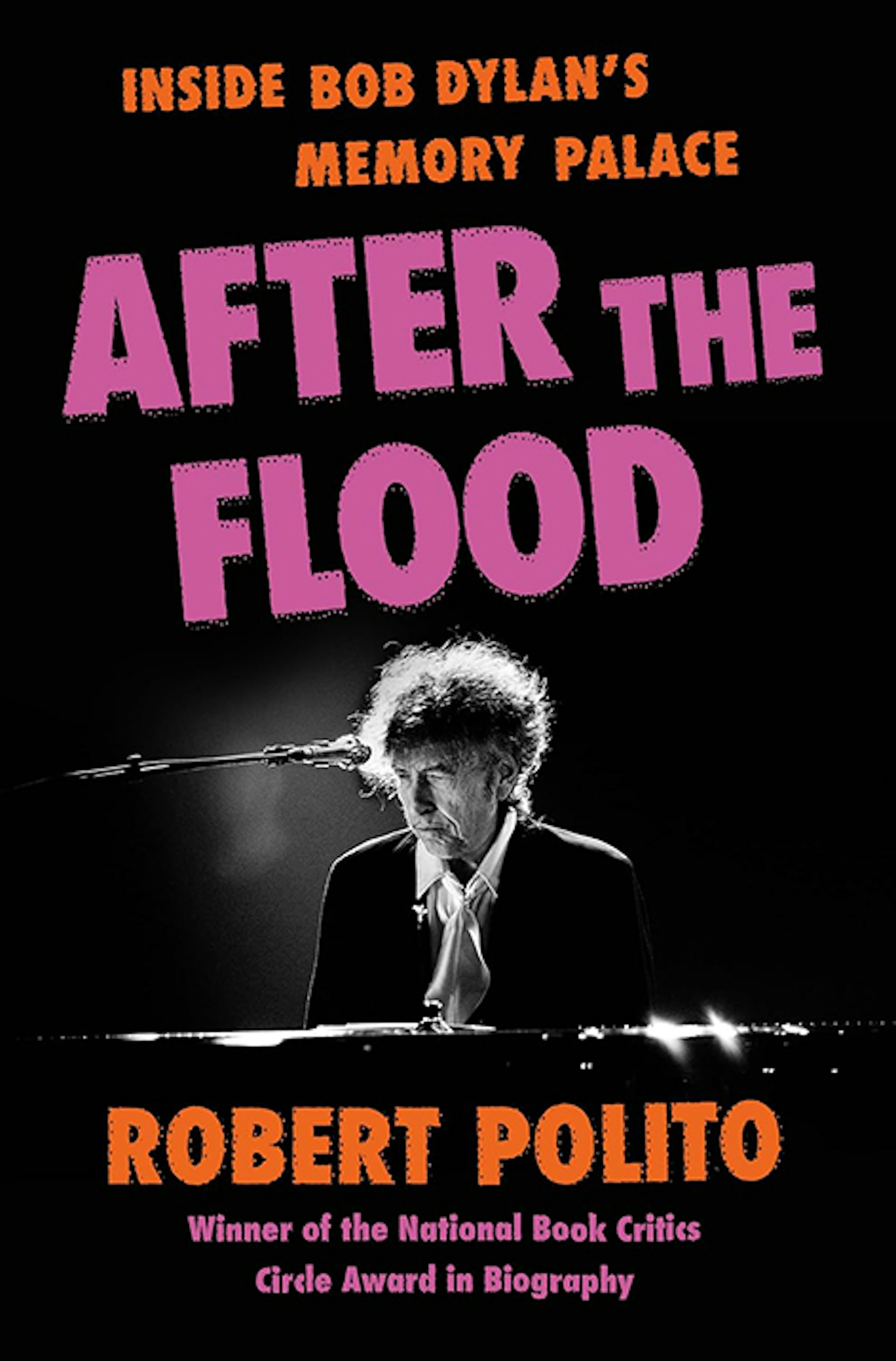
After The Flood: Inside Bob Dylan’s Memory Palace
Robert Polito
★★★★
LIVERIGHT/W.W. NORTON & CO.
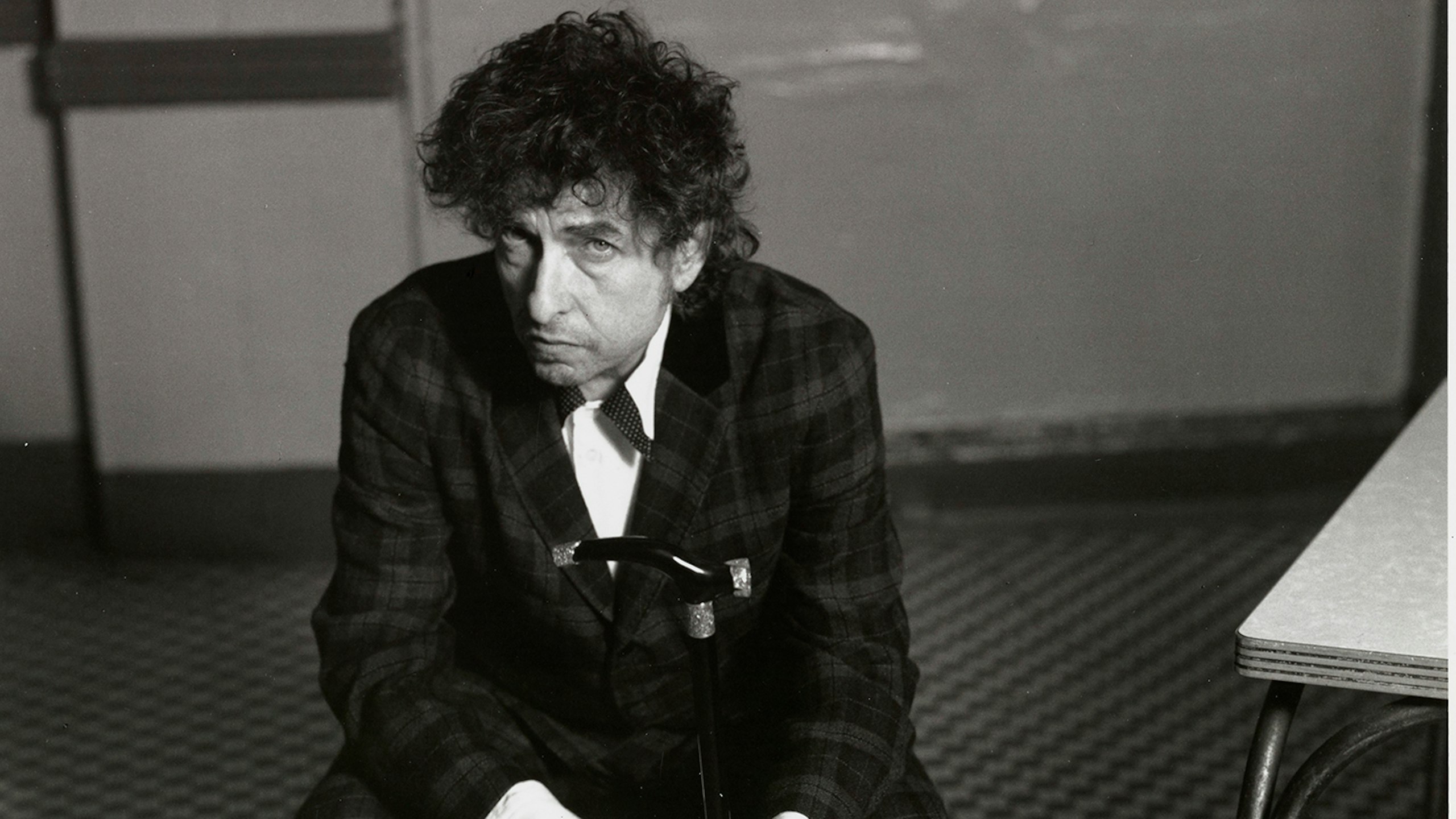
Robert Polito did not stick with Bob Dylan through the ’80s. The poet, teacher, and critic had been an ardent fan since he was a Boston kid who borrowed a copy of Highway 61 Revisited in the late ’60s, but the ’80s - all god rock and dangling earrings for Dylan, a sense of obdurate fatigue that suggested he had finally succumbed to the relentless weight of his legacy - made for an obvious exit. Polito’s return, though, was less obvious: Dylan’s February 1991 acceptance speech for a Grammy Lifetime Achievement Award. “It’s possible to become so defiled in this world that your own father and mother will abandon you,” Dylan said near his nadir, “and if that happens, God will always believe in your ability to mend your ways.” Polito was intrigued by what could come next.
READ MORE: Bob Dylan's Greatest Songs, as picked by Paul McCartney, Nick Cave, Patti Smith and more...
What’s next remains ongoing: a second 35-year act that Polito posits “would surpass the lifetime achievements of approximately anyone else I could summon for resonant parallels.” Dylan began reassembling in a new image, using two albums of folk covers and the stage as a kind of living workshop to create the person who in turn created 1997’s Time Out of Mind, a resurrection in rags.
A feat of hyper-attuned reading and listening…
Largely skipping the Dylan that has been painstakingly covered in endless prior volumes, Polito stages the most exhaustive accounting yet of Dylan’s career since he began to mend his ways - the quasi-memoir, the songwriting treatise, the highly variable concerts, the radio show, the Nobel speech and the way it spilled into Rough And Rowdy Ways, even the lingerie commercial and the Instagram forays. But After the Flood is no mere index, as Polito brings a scholastic zeal and care into unlinking the chains of sources, references, and memories Dylan has employed in his astounding run. It is a feat of hyper-attuned reading and listening, of being dazzled by a forest and then demanding to know what made the trees.
Polito’s research and its results are enormous, built on comparative listening to live recordings and the kind of line-by-line exegesis that, online, would demand a surfeit of hyperlinks. But Polito takes care to keep himself in the story, using his own brush with mortality during the writing to humanise Dylan’s return to his own power. He embraces, too, the absurdity of his subject, devoting a delightful chapter to the strange but ostensibly true tales he’s encountered along the way, like the time a New Jersey cop nearly arrested Dylan for peering into the windows of a home that was for sale as the owners watched from inside during a storm. Polito understands that Dylan’s senses of work and play are inextricable, so he makes him feel more like a person even as he reveals the phyllo-like intricacy of the output.
Polito does sometimes nearly drown in the myth, unwilling to take anyone at their word except Dylan. The lack of women included in his radio show or The Philosophy Of Modern Song - endless avenues of potential discussion -warrants a single paragraph. And his insistence that perhaps only Dylan has had such a fruitful second act makes one wonder if he simply skipped Willie Nelson’s sets when they’ve shared a bill. That’s understandable enough: Sometimes, a dive as deep as After The Flood means that, when you resurface, you only care to share the good news.
What We’ve Learnt From After The Flood: Inside Bob Dylan’s Memory Palace...
For Polito, Dylan’s true Nobel Lecture for his 2016 prize was actually Rough & Rowdy Ways and the tour that followed: “a lecture from inside his own forms and idioms… the same artistry that earned the Nobel Prize.”
Polito believes it’s possible that, during the 9/11 attacks on the World Trade Center, thousands of bootleg CDs in FBI evidence lockers beneath the Twin Towers, including many of Dylan, were destroyed.
Dylan’s Theme Time Radio Hour mirrored the overall concept and individual ideas of Back Where I Come From, a 1940 radio show led by Alan Lomax. Polito wonders if Dylan had heard those programs in the early ’60s from Carla Rotolo, Lomax’s assistant when Dylan lived with Carla’s sister Suze.
After the Flood: Inside Bob Dylan’s Memory Palace is out now on Liveright.W.W. Norton & Co.
ORDER: Amazon | Waterstones
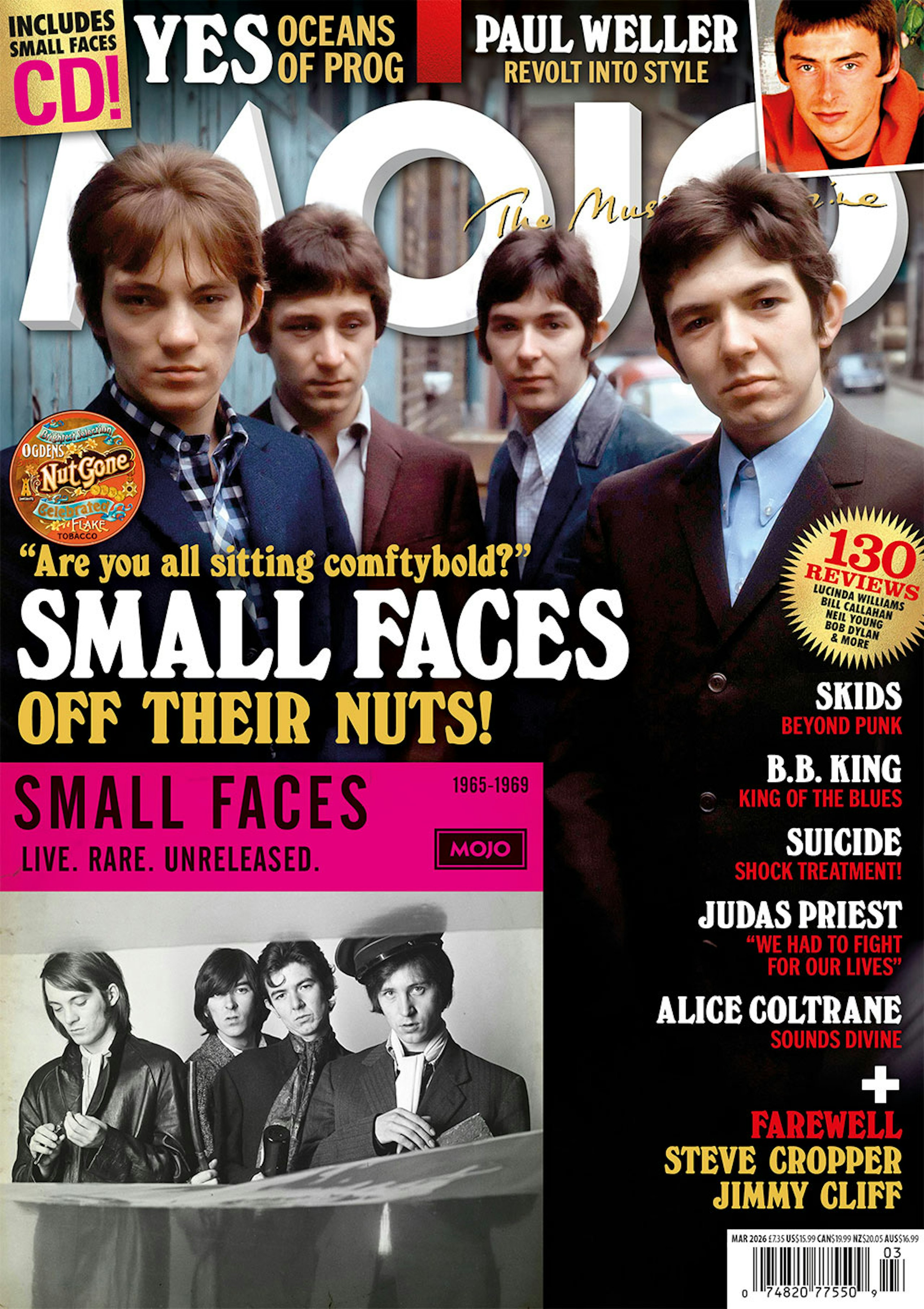
Get the latest issue of MOJO for the definitive verdict on the month’s essential new releases, reissues, music books and films. More info and to order a copy HERE!
.
.
.
.
.
.